Have you ever received a message that says “DWBI” and wondered, what does DWBI mean in text? This short abbreviation can be confusing if you have never seen it before. DWBI usually means “Don’t Worry About It” or the casual phrase “Don’t Worry ’Bout It.” People commonly use it in a text message when they want to reassure someone, dismiss a small concern, or say that something is not a big deal.
You may also see DWBI in text messages, social media DMs, group chats, and other forms of digital communication. The exact tone can depend on the conversation. It may sound friendly and comforting in one situation, but short or dismissive in another. In this guide, you will learn the real DWBI meaning in text, how people use it, what it means on social media, and several simple examples that show how the abbreviation works in everyday conversations.
What Does DWBI Mean in Text?
DWBI means “Don’t Worry About It.” It can also represent the casual phrase “Don’t Worry ’Bout It.” Both expressions communicate a similar idea. The sender is usually telling the other person not to be concerned about something. For example, if someone apologizes for replying late, the other person might answer, “DWBI.” In that situation, DWBI can mean, “It is okay. You do not need to worry about it.”
DWBI is an informal form of texting shorthand. It belongs to the larger group of text abbreviations, texting abbreviations, chat abbreviations, and messaging abbreviations that people use in everyday conversations. The abbreviation is not normally used in formal writing. It is much more natural in casual conversations between friends, family members, classmates, or people who already have a relaxed communication style. Current slang references define DWBI as “Don’t Worry ’Bout It” and describe it as a variant of “Don’t Worry About It.”
What Does DWBI Mean in Simple Words?
In simple words, DWBI means “Don’t worry about it. It is okay.” Imagine that you accidentally make a small mistake and apologize to your friend. Your friend might respond with “DWBI.” They are probably telling you that the mistake is not important and that you should not feel bad about it. In this situation, DWBI works almost like saying “No problem,” “It’s okay,” or “Don’t stress.”
The exact feeling behind DWBI can change based on the situation. A friendly message such as “DWBI 😊” may feel warm and reassuring. A one-word reply such as “DWBI” after a serious question can feel much colder. This is why you should not judge the meaning from the abbreviation alone. The previous messages, relationship between the people, punctuation, emojis, and subject of the conversation can all affect the tone. This is one of the most important parts of understanding online slang and modern chat language.
How Is DWBI Used in Texting?
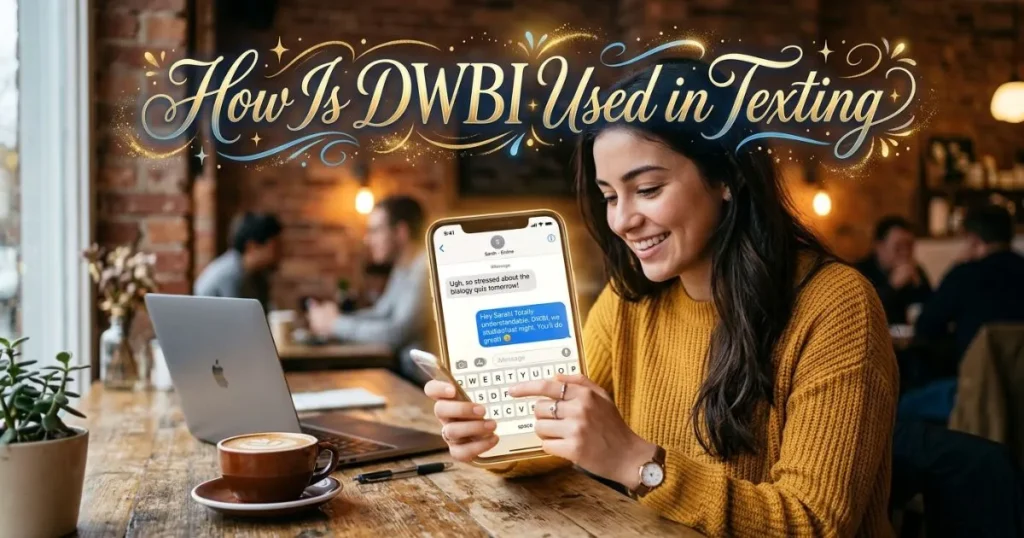
DWBI is mainly used in casual texting when people want a short way to say that something is not worth worrying about. It can appear after an apology, a question, a small mistake, or a concern. For example, someone might say, “Sorry I forgot to call you,” and receive “DWBI” in response. The sender is usually communicating that the forgotten call is not a serious issue. This makes DWBI useful in fast conversations where people prefer short and simple message shorthand instead of complete sentences.
This type of shorthand communication has become common because people often communicate quickly through phones and social platforms. Instant messaging, group chats, DMs, and other forms of digital communication encourage short expressions. DWBI is therefore easy to understand when you are familiar with common texting terms and text acronyms. However, it should still be used carefully because short messages can sometimes create confusion about tone.
In Casual Conversations
In casual conversations, DWBI can be a quick way to reassure someone. Imagine your friend says, “Sorry, I accidentally deleted the picture you sent me.” You could respond, “DWBI, I still have it.” Here, the abbreviation makes the conversation relaxed. It tells the other person that there is no serious problem.
DWBI can also be used when someone is worried about a minor issue. If your friend says, “I think I sent you the wrong message,” you might answer, “DWBI. I already understood what you meant.” In this situation, DWBI has a friendly purpose. It reduces unnecessary worry and keeps the conversation moving.
In Social Media Messages
On social platforms, DWBI can appear in private messages, comments, replies, and group conversations. Its basic meaning usually stays the same. It still means “Don’t Worry About It” or “Don’t Worry ’Bout It.” The platform does not automatically give DWBI a completely different meaning.
This makes DWBI part of broader social media slang, social media abbreviations, and digital slang. People use short expressions because social media conversations are often fast and informal. However, you should still read the surrounding conversation before deciding whether DWBI is friendly, neutral, or dismissive.
In Different Types of Chats
DWBI can appear in one-on-one messages, family chats, friend groups, gaming conversations, and other forms of online chat. Its purpose is generally the same: the sender is saying that something does not require concern or attention. The relationship between the people can influence how the message feels.
For example, “DWBI 😂” from a close friend may feel playful. “DWBI.” from someone who is already annoyed may feel much more abrupt. The letters have not changed, but the context has. This is common with chat slang because short expressions depend heavily on the conversation around them.
DWBI Meaning With Real-World Examples
The easiest way to understand DWBI is to see it in realistic conversations. A dictionary definition tells you what the letters stand for, but an actual conversation shows how the expression works. DWBI is especially dependent on context because the same four letters can communicate reassurance in one situation and dismissal in another.
The following examples show different ways DWBI may appear in everyday text messages, casual conversations, and social platforms. These examples are written to demonstrate common usage rather than suggest that every person will interpret the abbreviation in exactly the same way.
Example 1: DWBI in a Text Message
Person A: Sorry I took so long to reply.
Person B: DWBI. I was busy too.
Here, DWBI means “Don’t Worry About It.” Person B is telling Person A that the late reply is not a problem. The tone is likely friendly and reassuring.
This is one of the simplest situations for DWBI. Someone feels guilty or apologizes, and the other person tells them that they do not need to worry.
Example 2: DWBI in a Conversation
Person A: I accidentally sent you the old file.
Person B: DWBI. Just send the new one when you can.
In this example, DWBI helps reduce the pressure of a small mistake. Person B is not saying that the mistake never happened. Instead, they are saying that it is not serious enough to worry about.
This is an important part of messaging slang. Short expressions often communicate an attitude as well as information. DWBI communicates the basic idea that the situation is manageable.
Example 3: DWBI on Social Media
Person A: Sorry, I misunderstood your Instagram post.
Person B: DWBI 😊
The emoji makes the reply feel warmer. Without the emoji, “DWBI” might still be friendly, but the reader has less information about the sender’s tone. In online communication, emojis can sometimes provide emotional context that short text does not provide on its own.
This example also shows why reading only the abbreviation is not always enough. You should consider the complete message and the relationship between the people.
Example 4: DWBI in a Different Context
Person A: Why did you leave without telling me?
Person B: DWBI.
Here, the meaning may feel different. The sender could be saying “Don’t worry about it,” but they may also be avoiding the question. The response may feel dismissive because it does not explain why the person left.
This does not mean DWBI always sounds rude. It shows that context changes tone. Some references specifically describe DWBI as potentially more flippant or dismissive than similar expressions, depending on how it is used.
What Does DWBI Mean on Social Media?
On social media, DWBI generally has the same basic meaning as it does in a normal text message: “Don’t Worry About It” or “Don’t Worry ’Bout It.” You may see it in DMs, comments, group conversations, and replies. There is no need to assume that the abbreviation has a special meaning simply because it appears on a particular social platform.
DWBI fits naturally into social media slang, social media abbreviations, online slang, and internet slang because these forms of communication often favor short and informal language. Still, the platform can influence the context. A comment under a funny video may feel different from a private message between two people discussing a disagreement.
DWBI on TikTok
On TikTok, DWBI may appear in comments, replies, or private messages. For example, someone might apologize for misunderstanding a video, and another person may reply, “DWBI.” The basic meaning remains “Don’t Worry About It.”
TikTok conversations often contain a lot of digital slang and short expressions. Because users may communicate with people they do not know personally, context can sometimes be less clear. If you see DWBI in a comment, look at the messages before and after it before deciding whether the person is being friendly or dismissive.
DWBI on Snapchat
On Snapchat, DWBI can be used in direct messages and casual conversations between friends. Snapchat is strongly associated with quick communication, so abbreviations can fit naturally into its messaging style.
For example, a friend might say, “Sorry, I opened your snap and forgot to reply,” and you could respond, “DWBI.” The intended message is simply that the delayed response is not a big deal.
DWBI on Instagram
On Instagram, DWBI can appear in DMs, comments, or replies. Someone may use it after another person apologizes or expresses concern.
For example, a person could write, “Sorry, I thought you were talking about someone else,” followed by “DWBI” from the other person. The abbreviation keeps the conversation short while communicating that the misunderstanding is not important.
DWBI on WhatsApp
WhatsApp is another place where DWBI can appear in private chats and group conversations. Since WhatsApp is widely used for both personal and group messaging, the meaning depends heavily on the relationship between the people.
A close friend saying “DWBI 😂” will probably feel different from a coworker simply writing “DWBI.” The abbreviation itself remains the same, but the social context changes how the reader interprets it.
Does DWBI Have More Than One Meaning?
In ordinary texting language, the main meaning of DWBI is “Don’t Worry About It” or “Don’t Worry ’Bout It.” This is the meaning you should normally consider first when you see DWBI in a casual conversation. Slang references consistently identify this as the common texting meaning.
However, there is an important difference between a different meaning and a different tone. DWBI can have the same basic definition while sounding friendly, neutral, or dismissive. For example, “DWBI 😊” may be reassuring, while a blunt “DWBI.” may feel like the person does not want to discuss the subject. Specialized industries can also use abbreviations differently, but that does not make those meanings the standard interpretation in everyday chat. When you are reading a message, the surrounding words should guide your interpretation.
DWBI vs. Similar Texting Terms
DWBI is similar to several other texting abbreviations, but these terms are not always interchangeable. Understanding the differences can help you interpret a conversation more accurately. For example, “NBD” focuses on something being “No Big Deal,” while “NP” usually means “No Problem.” DWBI is closer to telling someone directly that they should not worry.
| Texting term | Meaning | Common purpose |
| DWBI | Don’t Worry About It | Reassuring someone or dismissing a concern |
| NBD | No Big Deal | Saying something is not important |
| NP | No Problem | Responding to an apology or request |
| IDC | I Don’t Care | Showing a lack of concern or interest |
| NVM | Never Mind | Dropping or correcting a topic |
| YW | You’re Welcome | Responding after someone says thanks |
These texting terms are all examples of modern message shorthand, but their emotional meaning can be different. “NP” often responds to an apology or thank-you. “NBD” tells someone that an issue is not important. “IDC” can sound much stronger because it directly communicates a lack of interest or concern. DWBI usually focuses on telling someone not to worry.
When Should You Use DWBI?
DWBI is most suitable when the conversation is informal and the people already understand each other’s communication style. It can work well between friends, family members, classmates, or people who regularly communicate through messages. It is especially useful when someone apologizes about a small mistake or worries about something that is not serious.
Because DWBI is informal, the safest approach is to think about the relationship and situation before using it. A short abbreviation can save time, but it can also sound colder than a complete sentence. If you are not sure how the other person will interpret it, a simple phrase such as “No worries” or “That’s okay” can make your meaning clearer.
When It Is Appropriate
DWBI works naturally in casual conversations. You might use it after a friend apologizes for being late, forgets to send something, makes a small mistake, or worries that they caused a problem. In these situations, DWBI can communicate reassurance without requiring a long response.
For example, “Sorry I forgot to bring your book” followed by “DWBI, bring it tomorrow” feels natural in a friendly conversation. The abbreviation is doing more than saving characters. It also helps maintain a relaxed communication style.
When You Should Avoid It
You should be more careful with DWBI when the topic is serious or emotionally sensitive. If someone is talking about a major personal problem, simply replying “DWBI” may sound like you are ignoring their feelings. In such a situation, a complete and thoughtful response is usually clearer.
You should also avoid assuming that a short abbreviation is always polite. Written messages do not contain voice tone or facial expressions. Because of this, an abbreviation that feels casual to the sender may feel dismissive to the receiver.
Is It Appropriate in Professional Messages?
DWBI is generally too informal for formal professional communication. A workplace email, job application, customer complaint, business proposal, or official message usually benefits from clearer language. Instead of writing “DWBI,” you could write “No problem,” “That’s completely fine,” or “There is no need to worry about it.”
There are workplaces where informal chat language is normal, especially in internal messaging platforms. Even there, the relationship and company culture matter. If you are communicating with a manager, customer, client, or someone you do not know well, a clear professional sentence is usually safer than an abbreviation.
Common Misunderstandings About DWBI
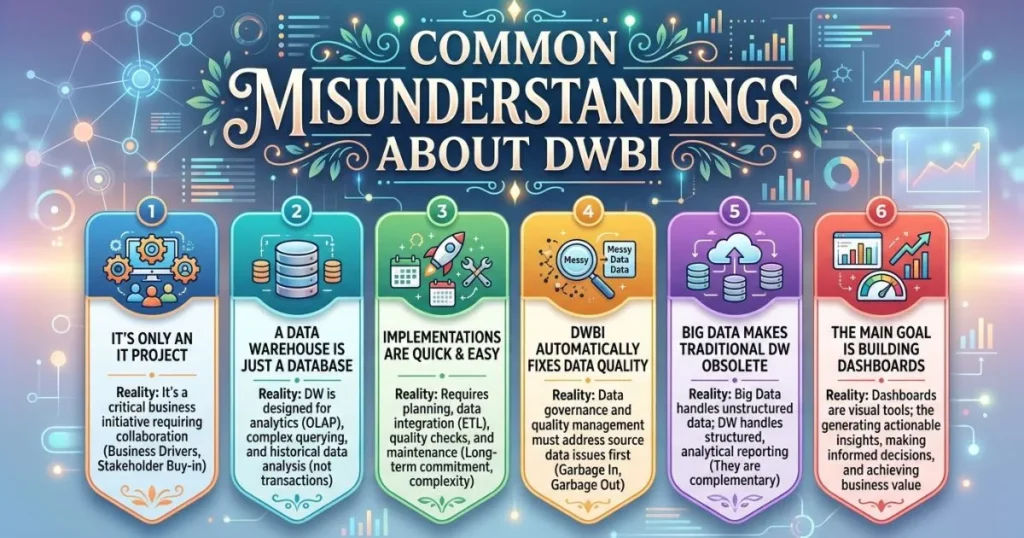
One common misunderstanding is that DWBI always has a warm and friendly tone. That is not necessarily true. The basic meaning is reassuring, but the delivery can feel different depending on the conversation. A person who writes “DWBI 😊” may sound relaxed, while someone who answers a serious question with only “DWBI” may sound like they are ending the discussion.
Another misunderstanding is that DWBI has a secret romantic meaning when it comes from a girl or guy. There is no standard texting rule that gives DWBI a special romantic meaning based on the sender’s gender. If someone you like sends you DWBI, the message should be interpreted through the complete conversation rather than through the abbreviation alone.
| Situation | Likely interpretation |
| Someone apologizes for a small mistake | Reassurance |
| Someone worries about bothering you | “It’s okay” |
| A friend uses “DWBI 😂” | Casual or playful |
| Someone answers a serious question with only “DWBI” | Possibly dismissive |
| A formal business conversation uses DWBI | Very informal wording |
The safest way to understand DWBI is to look at context, relationship, subject, and tone together. This approach works for many forms of online slang because short digital expressions often depend on surrounding information.
Final Thoughts
So, what does DWBI mean in text? DWBI usually means “Don’t Worry About It” or “Don’t Worry ’Bout It.” It is a casual abbreviation that people use to reassure someone, dismiss a minor concern, or say that something is not a big deal.
You may see DWBI in text messages, DMs, group chats, and social media conversations. It is part of modern texting language, online communication, internet slang, and digital slang. Its basic meaning is simple, but its tone can change depending on the situation. That is why it is always better to read the complete conversation before deciding what someone intended.
If a friend sends you “DWBI” after you apologize for something small, they are probably telling you not to worry. If the same abbreviation appears after a serious question, however, it may feel dismissive. In short, DWBI is usually a simple way of saying “Don’t worry about it,” but context tells you how the message should be understood.
Google’s current guidance also supports creating content that gives readers a satisfying and complete answer instead of producing text mainly to target search engines. Google’s documentation emphasizes helpful, reliable, people-first content and says there is no preferred word count that creators should target.
FAQs
What does ❗ mean in text?
It usually shows emphasis, excitement, urgency, or a strong reaction.
What does 💦 💦 mean from a girl?
It can suggest excitement, sweating, water, or a sexual/suggestive meaning depending on context.
What does 👁👄👁 mean from a girl?
It often means surprise, shock, awkwardness, or “I’m speechless.”
What does 👉 👈 💦 mean?
It can be playful/flirty and may have a suggestive meaning depending on the conversation.
What does “>>” mean in slang?
It can mean “better than,” “more than,” or point toward something, depending on context.